
Over 15 years I have read many books, but only a few stay close to me long after I finish the last page. Some stories simply remain in your mind.
You find yourself thinking about a scene months later, or remembering a line when life feels difficult. Those are the books I tend to read again and again.
Re-reading a favorite book feels different each time. When I was younger, I noticed the adventure in the story.
Years later, I began noticing the deeper emotions and the small lessons hidden inside the characters’ choices.
The books below are the ones I return to the most. Some of them comfort me, some inspire reflection, and others simply remind me how powerful a good story can be.
These are not advertisements or rankings, just the titles that have quietly become part of my personal reading life.
1. The Alchemist – Paulo Coelho
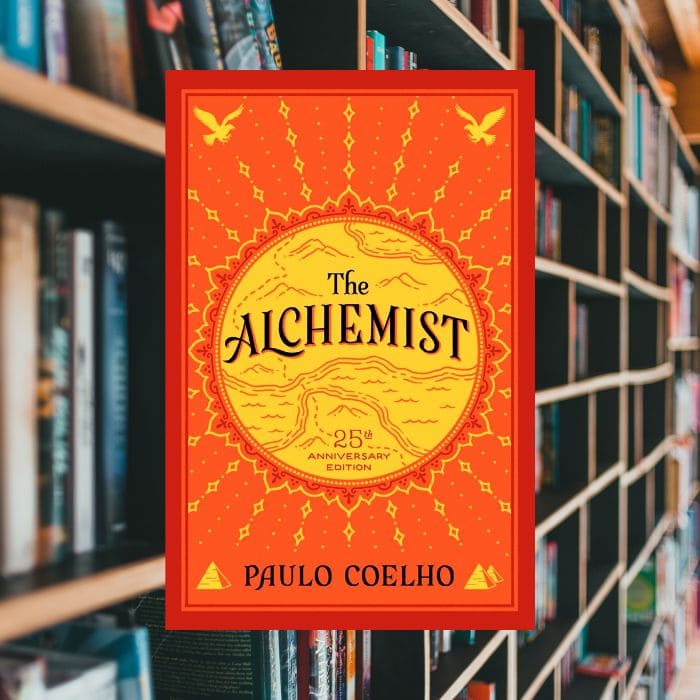
I first read The Alchemist many years ago during a time when I was thinking a lot about life choices.
The story follows Santiago, a young shepherd who dreams about discovering a hidden treasure near the Egyptian pyramids.
Instead of ignoring the dream, he decides to travel far from home to see if it might be real. What makes this book special is its simple yet meaningful message.
The story explores ideas about following personal dreams, listening to intuition, and paying attention to the signs life presents.
The writing style is very straightforward, almost like reading a quiet conversation rather than a complicated novel.
Every time I read it again, I notice a different part of Santiago’s journey.
Sometimes the focus feels like courage, other times patience or trust. It is a short book, but it always leaves me thinking long after I close it.
2. To Kill a Mockingbird – Harper Lee

This novel takes place in a small town in Alabama during the 1930s and is told through the perspective of a young girl named Scout Finch.
The story centers around her father, Atticus Finch, who is a lawyer defending a Black man falsely accused of a crime.
What makes this book powerful is the way it explores justice, prejudice, and moral courage through the eyes of a child.
Scout and her brother Jem slowly begin to understand the complicated realities of the world around them.
The story is emotional, thoughtful, and deeply human. I return to this book because it reminds me how important empathy and fairness are.
Atticus Finch remains one of the most respected fictional characters in literature because of his calm strength and commitment to doing what is right.
3. The Little Prince – Antoine de Saint-Exupéry
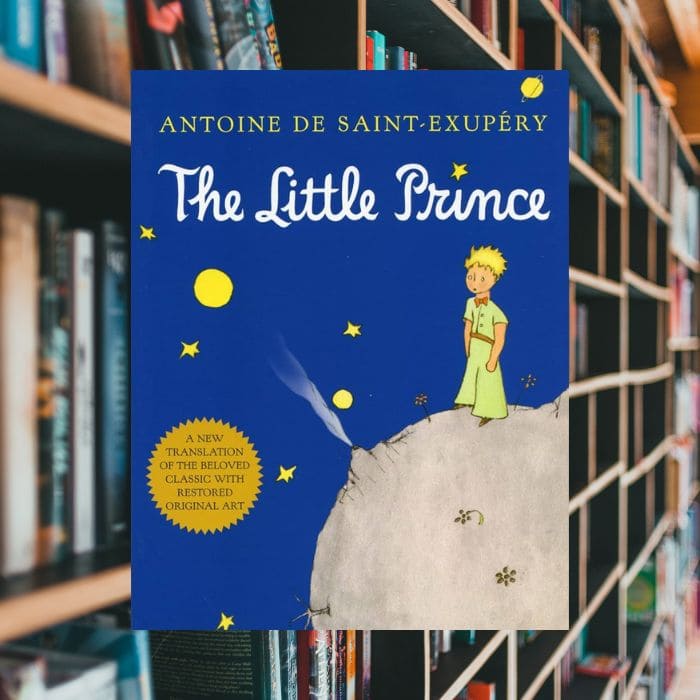
At first glance, The Little Prince looks like a children’s book, but it carries surprisingly deep ideas about life, relationships, and human nature.
The story follows a young prince who travels from planet to planet, meeting different adults who each represent a strange part of human behavior.
When I first read it, I enjoyed the imaginative storytelling and charming illustrations.
Later readings revealed how philosophical the story really is. The prince’s conversations with the fox, the rose, and the pilot each reveal different truths about love, responsibility, and friendship.
The book is full of small lines that stay with you for years.
One of the reasons I return to it often is because it gently reminds readers not to lose the curiosity and honesty that often disappear as people grow older.
4. Pride and Prejudice – Jane Austen
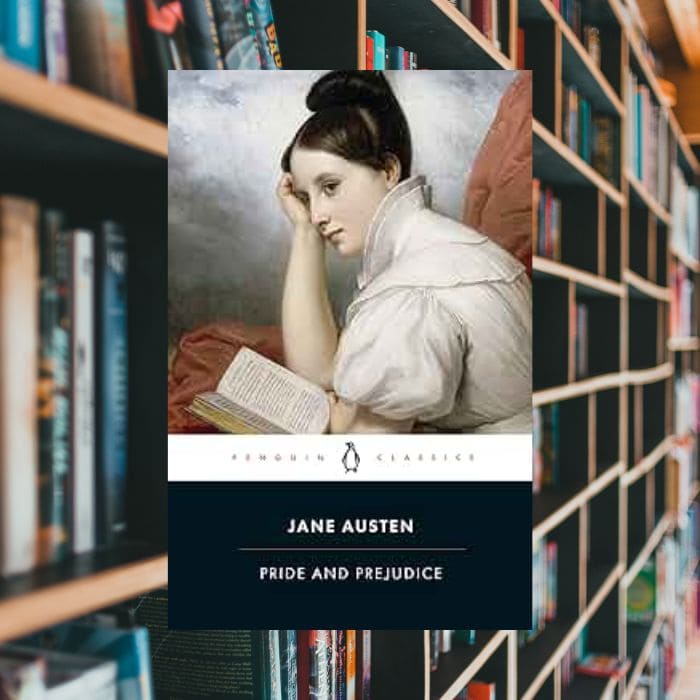
Jane Austen’s classic novel is a story about relationships, family expectations, and personal growth.
The main character, Elizabeth Bennet, is intelligent, independent, and not afraid to speak her mind. Her complicated relationship with Mr. Darcy forms the emotional center of the novel.
What makes the story enjoyable is how the characters evolve throughout the book. First impressions slowly change as the truth behind people’s behavior becomes clearer.
Elizabeth learns that her judgments are sometimes too quick, while Darcy learns humility and kindness.
Even though the novel was written in the early nineteenth century, its themes still feel relevant.
The book explores pride, misunderstanding, and emotional maturity in ways that still resonate today.
5. 1984 – George Orwell
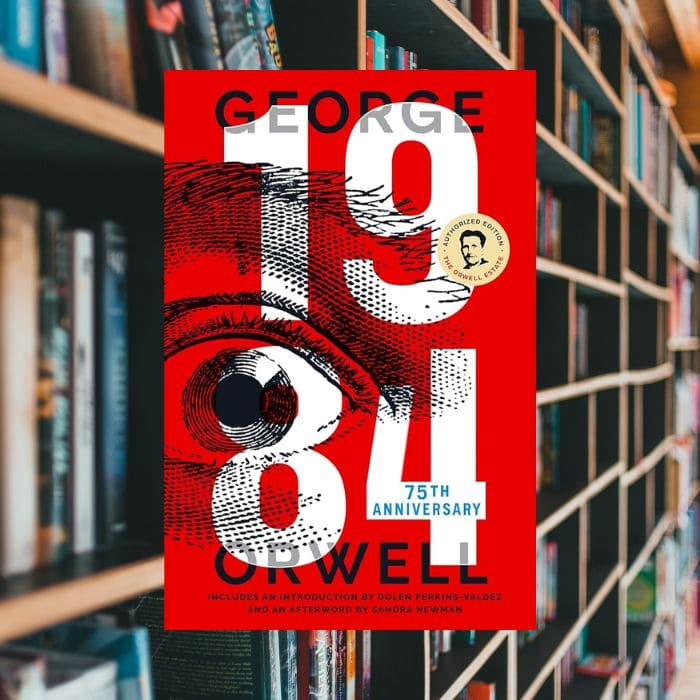
This novel offers a completely different kind of reading experience compared to the others on this list.
1984 describes a dystopian future where a powerful government monitors and controls nearly every aspect of people’s lives.
The story follows Winston Smith, a man quietly questioning the oppressive system around him.
The society he lives in manipulates information, rewrites history, and discourages independent thought.
Every time I revisit this book, I notice how many of its ideas still feel relevant today.
The novel raises important questions about privacy, truth, and the influence of power over society. It is not an easy story emotionally, but it is one that leaves a strong impression.
6. The Hobbit – J.R.R. Tolkien

The Hobbit tells the story of Bilbo Baggins, a quiet and comfortable hobbit who unexpectedly joins a group of dwarves on a long journey to reclaim their stolen treasure.
At the beginning of the story Bilbo has no interest in adventure, but the journey slowly changes him.
This book is one I enjoy returning to because it feels like stepping into a rich, imaginative world.
Tolkien’s descriptions of landscapes, creatures, and cultures make the story feel vivid and immersive.
Beyond the adventure itself, the story also explores courage and personal growth.
Bilbo begins as someone afraid of the unknown but eventually discovers strength and confidence he never expected to have.
7. Man’s Search for Meaning – Viktor E. Frankl
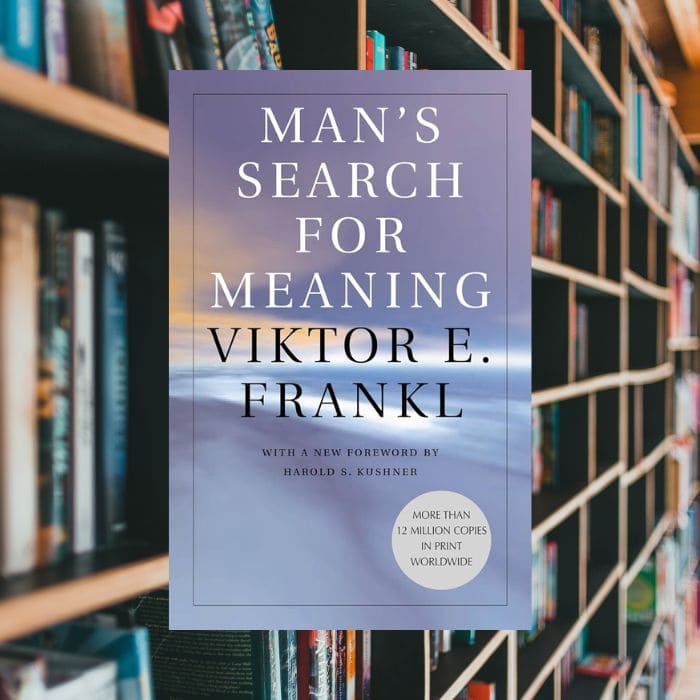
This book is very different from a typical novel because it is based on the real experiences of psychiatrist Viktor Frankl during World War II.
Frankl survived several Nazi concentration camps and later wrote about how people cope with extreme suffering.
The central idea of the book is that meaning in life can help individuals endure even the most difficult circumstances.
Frankl describes how people who maintained a sense of purpose were more likely to survive emotionally and psychologically.
Reading this book is not always easy because of the painful historical reality it describes. However, it is deeply inspiring because it highlights the resilience of the human spirit.
8. The Book Thief – Markus Zusak
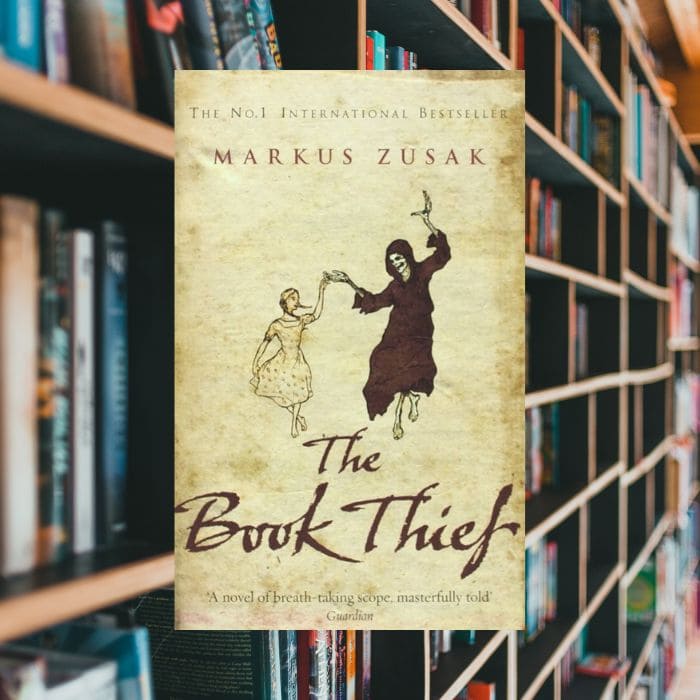
This novel takes place in Germany during World War II and follows a young girl named Liesel who develops a deep love for books.
The story is narrated by Death itself, which gives the narrative a unique and reflective tone.
Liesel begins stealing books because she cannot resist the power of stories.
As the war intensifies around her town, reading and sharing stories become a way to survive emotionally.
What makes this book memorable is its combination of poetic writing and emotional depth. The characters feel genuine and vulnerable, which makes the story particularly powerful.
9. Atomic Habits – James Clear

Unlike the other books on this list, Atomic Habits focuses on personal development rather than storytelling. The author explains how small daily habits gradually shape long-term results.
One idea that stayed with me is the concept that improvement does not come from sudden dramatic changes but from small consistent actions repeated over time.
Clear uses many real-life examples and scientific research to explain how habits form and how they can be changed.
I often revisit sections of this book because it offers practical advice that can be applied immediately.
It is one of the most useful books I have read for understanding behavior and motivation.
10. The Night Circus – Erin Morgenstern
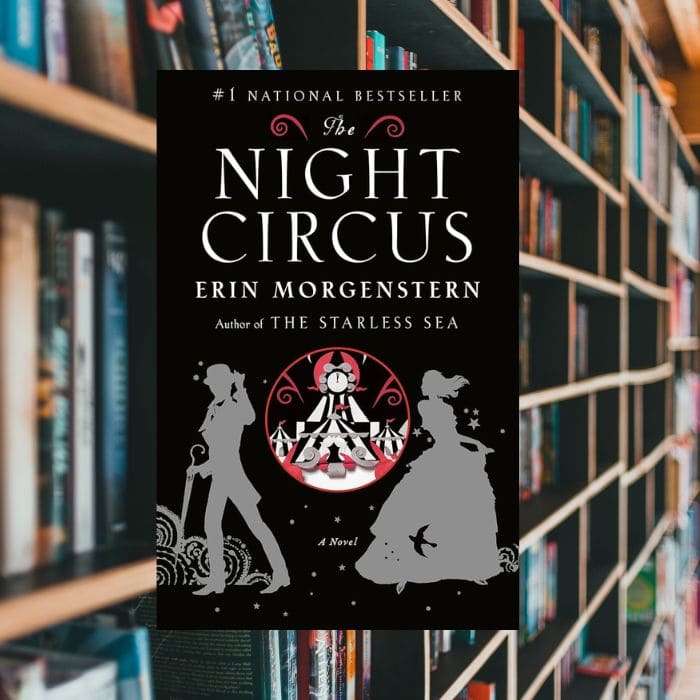
This novel is a beautifully written story about a mysterious circus that only opens at night.
Two young magicians are secretly competing in a magical contest, and the circus becomes the stage for their competition.
The atmosphere of the book is what makes it unforgettable. The descriptions of the circus tents, magical illusions, and nighttime performances feel almost dreamlike.
Every chapter paints a vivid picture of a place that seems both enchanting and slightly mysterious.
I enjoy returning to this book because the world inside it feels imaginative and immersive.
It is the kind of story that encourages readers to slow down and enjoy the experience of the writing itself.
Final Thoughts
Books have a unique ability to stay with us long after we finish reading them.
Some stories offer comfort, others challenge our thinking, and a few quietly reshape how we understand the world. The titles on this list are the ones I find myself returning to most often.
Sometimes I reread them because I want to revisit a favorite character. Other times I simply want to experience the atmosphere of the story again.
That is the quiet magic of reading. A good book continues revealing new ideas every time you return to it.
What Is Your Favorite Book?