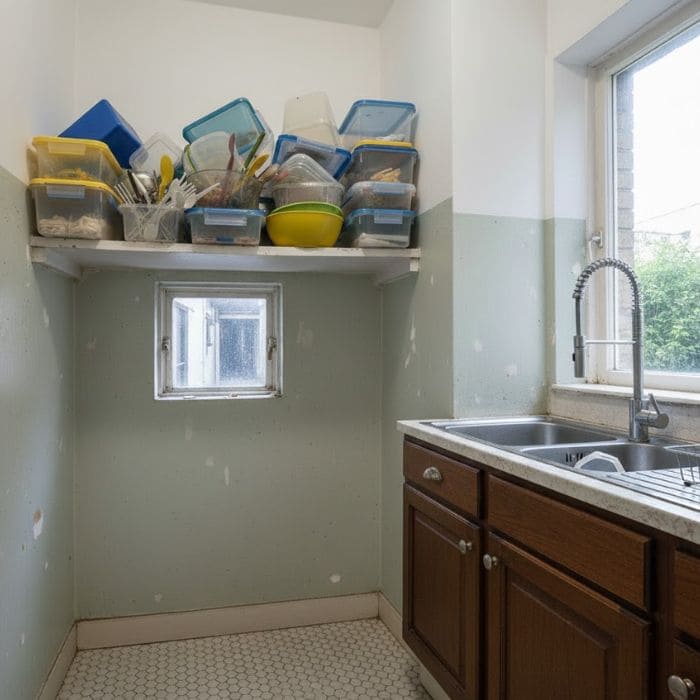
I have been walking into my kitchen lately and feeling a little proud, not because it looks like a magazine, but because it finally looks like a space that matches how I want to live.
Two months ago, it did not feel that way. It looked fine at a glance, but the closer I looked, the more I saw a pattern that I think a lot of us share, especially if we have ever stood in a store aisle, seen a low price tag, and told ourselves we were being practical.
I used to buy plastic items quickly, because plastic is everywhere, it is light, it is cheap, and it promises to organize your life in five minutes. Plastic dishes, plastic shelves, plastic bins, plastic fridge organizers, plastic utensil cups, plastic everything.
At first it always looked clean and bright, and then, sometimes in a year and definitely by year two, the truth showed up. The color faded, the surface scratched and the corners held onto grime and smells. Some pieces warped just enough to look tired, even after I washed them.
Then one day, after visiting another home that had simple stained wood accents, clear counters, and a kitchen that looked calmer without trying, I came home and realized my kitchen to feel intentional, stylish, and easier to keep truly clean.
The Honest Reason I Stopped Trusting Cheap and Easy
This is not me trying to sound dramatic about plastic, because plastic has a purpose, and plenty of food-contact plastics are regulated and tested for specific uses. Still, I also learned that the way we use plastic at home is often messier than the ideal use printed on a label.
Containers get old, scratched, and cloudy, and those scratches are the part that changed my mind, because scratched surfaces trap residue and become harder to clean completely, especially around lids and seams where moisture lingers.
On top of that, I kept reading and hearing the same practical guidance from health and safety sources: chemicals can migrate from packaging into food under certain conditions, and heat is one of the conditions that matters.
Microplastics are another piece of the conversation, and I try to hold that topic with balance. The World Health Organization has said the evidence on microplastics in drinking water was limited and, based on what was known at the time, the chemicals and biofilms associated with microplastics in drinking water were a low concern for human health, while also emphasizing that more research is needed.
What I Changed Over the Last Two Months
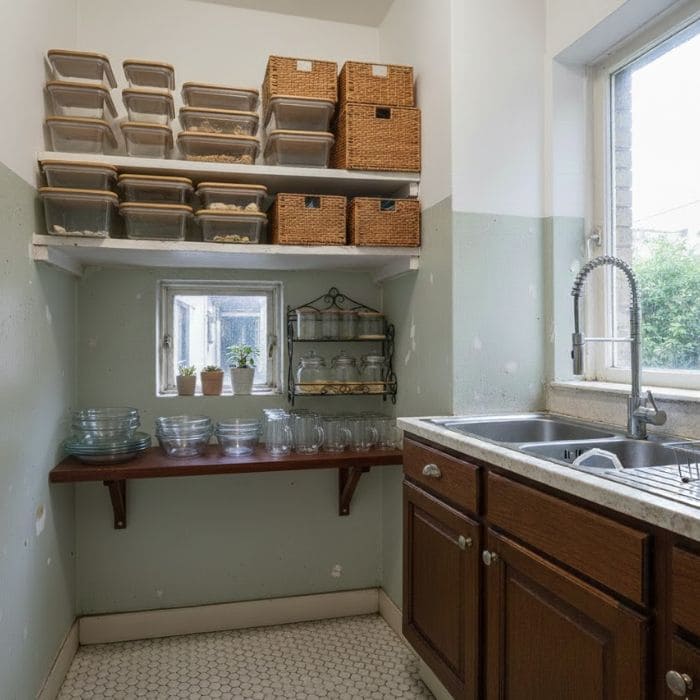
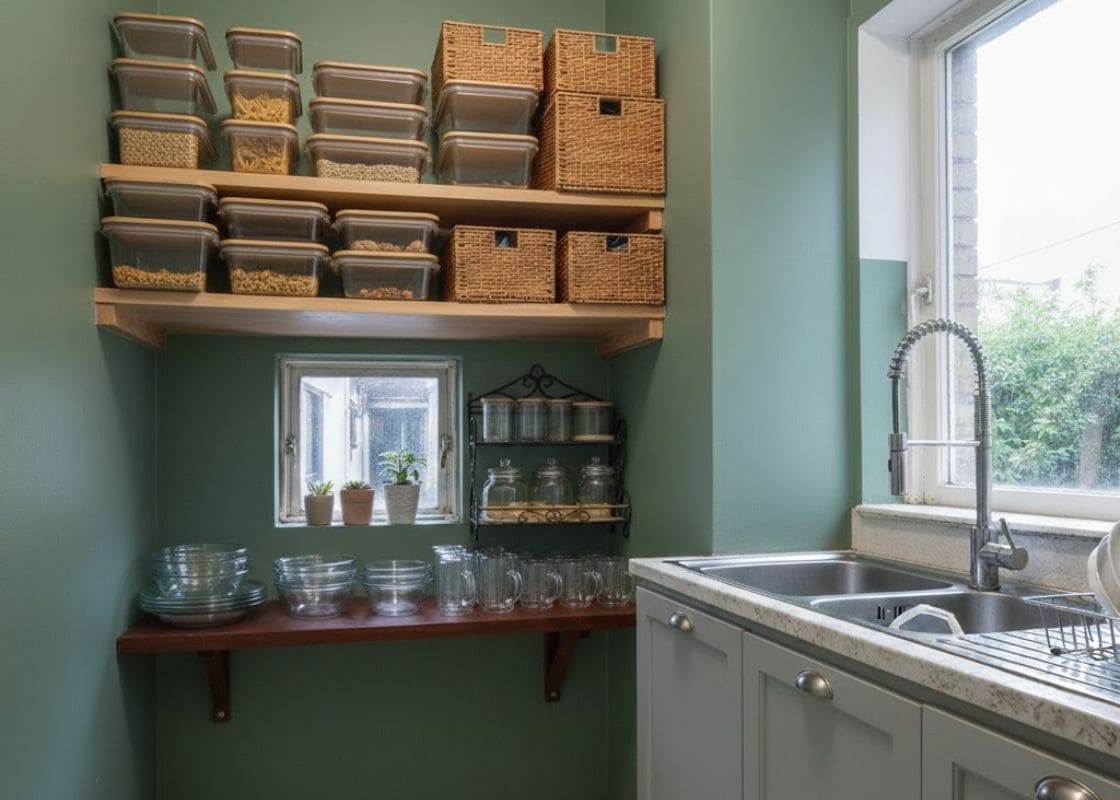
First, I replaced my everyday food storage with glass. I chose glass containers with locking lids for leftovers and meal prep, because glass does not stain the way plastic does, and it does not hold onto smells the same way.
It also looks better when you open the fridge, which sounds like a silly detail until you realize how much calmer you feel when your fridge is not full of cloudy containers you cannot see through.
Next, I swapped the grab-and-go plastic dishes and bowls for a small set of ceramic pieces and a few sturdy glass bowls. I did not buy a full matching set.
I bought what I actually use: a few bowls I love eating breakfast from, a couple of plates that feel nice in my hands, and one larger serving bowl that makes the kitchen look instantly more grown-up when friends come over.
Then I looked at the parts of the kitchen that always looked cluttered, even when they were technically organized. For me, that was the open shelf and the corner where I kept snacks and tea.
Plastic bins made it look like I was storing supplies, not food, so I switched to woven storage, especially rattan-style baskets. Baskets hide visual noise while still being breathable, which I like for pantry items, and they instantly soften a kitchen without making it look overly decorated.
The Food-Safety Rules I Follow Now, Without Getting Extreme
I am not claiming plastic automatically causes disease, and I am not claiming you need to throw away every plastic item you own.
What I am doing is choosing a lower-plastic routine where it makes sense, based on what we know about heat, wear-and-tear, and chemical migration concerns, and based on the simple fact that scratched plastic is harder to keep truly clean.
Here are my personal rules now, the ones I can actually stick to:
- I do not microwave food in old, scratched, or cloudy plastic containers, because heat plus wear is where I prefer to be cautious. If I am reheating, I move food to glass or ceramic first, and this one habit alone made my kitchen feel instantly cleaner and more intentional.
- I avoid pouring very hot food into plastic. If soup is steaming, I let it cool a little before storing, or I store in glass.
- I retire plastic containers when they get heavily scratched, warped, or permanently smelly, because at that point they are not saving money anymore, they are just adding frustration.
- I keep plastic only in the roles where it genuinely helps, like a couple of lightweight bins for non-food storage, or a few kid-friendly items if someone has them in their home, because low plastic is still different from no plastic, and I try to be realistic.
Where I Found My New Pieces Around Boston
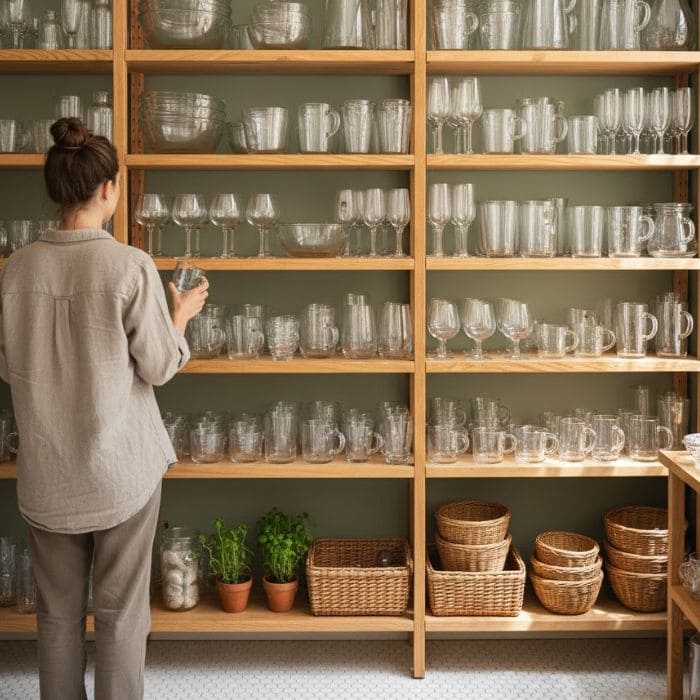
I did not shop all in one place, because I like mixing practical finds with a few nicer staples.
For affordable, easy swaps, I checked Target at Boston South Bay, because it is convenient and I can grab basics like jars, simple dish sets, and storage bins without turning it into a whole event.
For organization pieces, especially pantry and drawer systems, The Container Store in Chestnut Hill is the kind of place that makes you feel like your kitchen can become a calmer version of itself, even if you buy only one or two things at a time.
And for anything that needs to feel sturdy and timeless, like simple dishes or glass containers, I have also browsed IKEA in Stoughton, because they tend to have practical pieces that do not look cheap after six months.
What I Did With the Plastic I Replaced
I did not toss everything in a trash bag, because that just turns a lifestyle change into waste.
Anything that was still in good condition and not used for heating food got reassigned to non-food roles, like holding cleaning cloths under the sink, organizing the garage shelf, or storing small tools.
Anything scratched, warped, or permanently stained went out, because keeping worn-out plastic is not frugal, it is just keeping clutter that no longer works.