Yesterday, I watered my little backyard garden the same way I always do, which is by dragging out the long hose, stepping over it, unkinking it, walking it back, then realizing I have somehow wrapped it around a chair leg even though I swear I was being careful.
It worked, technically, but it never felt comfortable, and I’ve started noticing that the things that “technically work” are often the exact things that quietly drain me, especially when I’m trying to do something peaceful like watering plants.
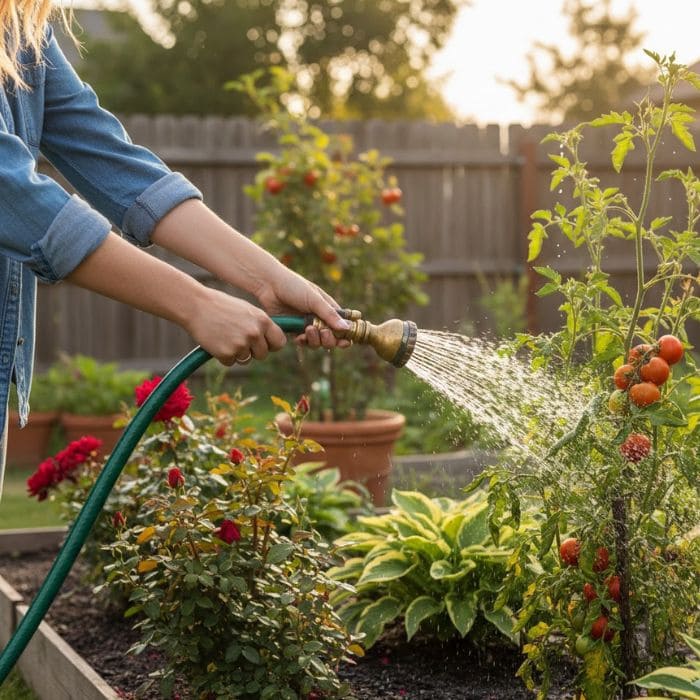
Most of the time I pull water from the existing outdoor line at the far end of the backyard, and because the connection is inconvenient, I end up doing this awkward half-run back and forth, checking pressure, re-aiming the spray, trying not to soak my own shoes, and convincing myself this is just part of having a garden.
Yesterday it clicked in a very simple way: I don’t need to accept an annoying routine just because I’ve done it long enough to call it normal, and the easiest fix was not a bigger hose or a new nozzle, but a spigot placed where I actually stand when I water.
So I decided to install a new outdoor spigot directly on the wall that faces my garden.
The Shop Trip That Made Me Feel More Confident Than I Expected
I drove over to the Home Depot at South Bay in Boston, mostly because I knew they’d have enough options that I could compare without guessing, and also because I wanted someone in the plumbing aisle to confirm I wasn’t about to buy the wrong thing.
The South Bay location is easy to find off I-93. I went in with a basic goal, which was a spigot, and left with the more correct goal, which was a spigot that can survive a Boston winter without making me pay for my own optimism.
That is how I ended up staring at frost-free outdoor faucets, reading labels like I was studying for an exam, and learning that in cold climates you really want a frost-free style, because the shutoff point sits deeper inside the wall on the warm side, which helps prevent freezing issues when the outside drops below zero.
What I Chose, and Why I Chose It
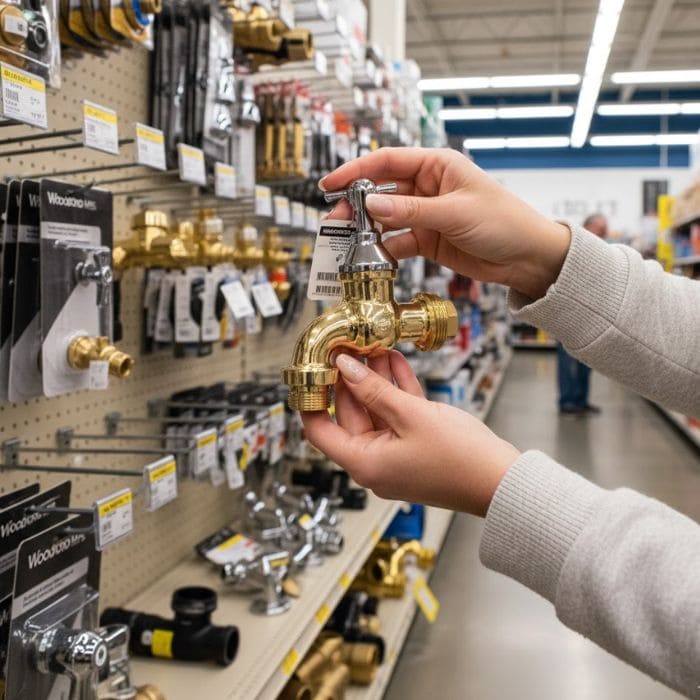
I considered a couple of different types, including the PRIER freezeless wall hydrant styles, because they’re known for being made for freezing climates and designed to place the valve in the heated portion of the structure.
In the end, I went with a Woodford Model 17 outdoor freezeless wall faucet because the spec details were clear, and because it includes an integral backflow protection device, which means I’m not trying to piece together extra add-ons without understanding how they work.
A few details that mattered to me, and that I want to share because they made the decision easier:
The Model 17 is described as having integral backflow protection and is rated for up to 125 psi of backpressure, and the installation notes include a warning that it needs a slight downward pitch toward the nozzle, plus the reminder to remove the hose in freezing weather so it can drain properly.
That last part is the kind of thing that sounds boring until you picture yourself forgetting once in February, then regretting it all spring, so I took it seriously.
The size choice that actually matters in real life
Because I was installing through an older brick wall, I needed a length that would reach through the wall thickness and still connect comfortably inside.
These spigots come in different through-wall lengths, and you pick based on the thickness of what you’re passing through, not based on vibes, so I measured the wall thickness where I planned to install and chose a length that gave me room for a clean interior connection.
Retail listings commonly show multiple length options for the same model.
I know measure twice is the oldest advice in the world, but it becomes real advice when you’re holding a spigot in one hand and imagining the return trip.
Where I Installed It, and Why That Spot Changed Everything
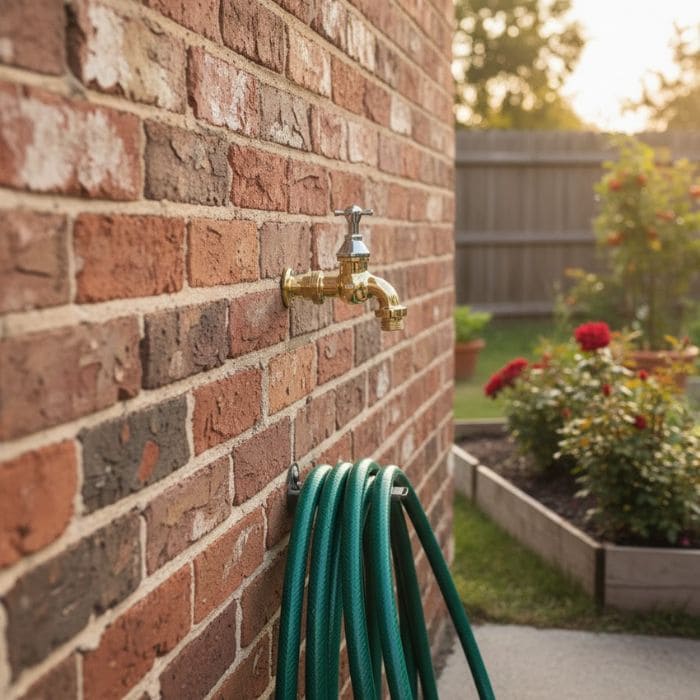
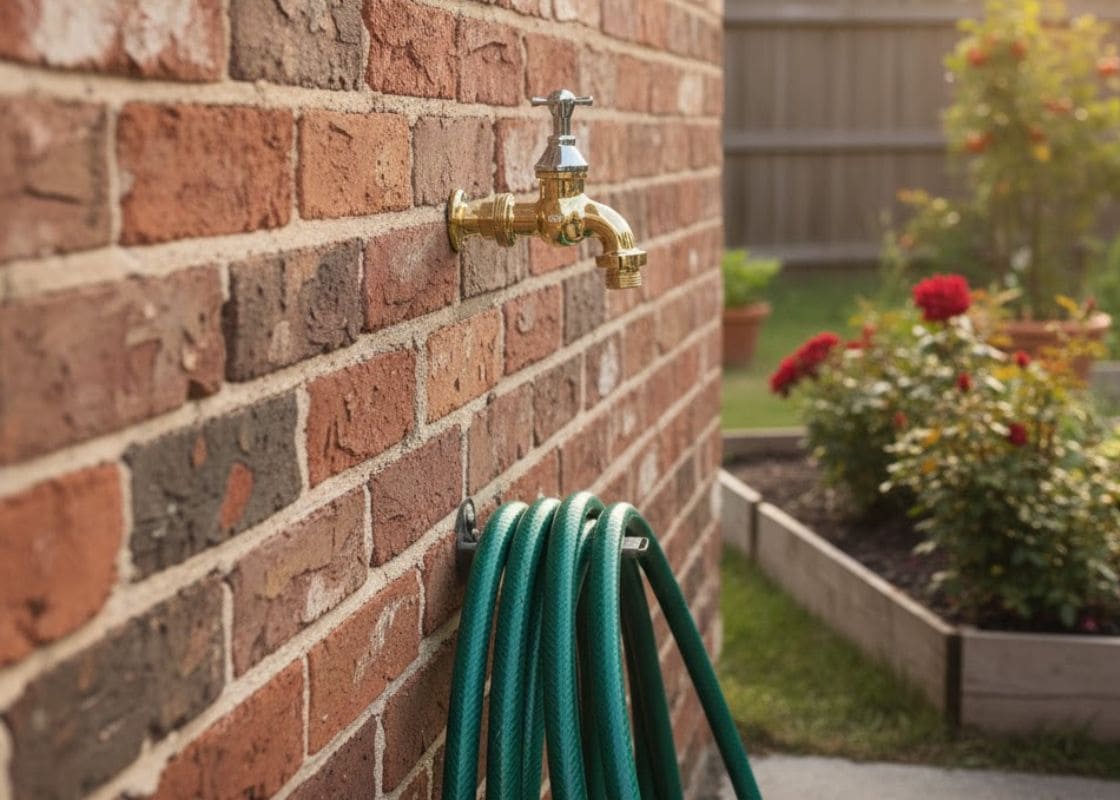
I installed it on the exterior wall that faces my garden, because that is where I naturally stand when I water, and I wanted the hose to fall straight into the space instead of dragging across the yard like a stubborn snake.
The brick is old and a little uneven, and I actually loved that, because once the spigot was mounted, the contrast between clean brass hardware and textured brick made it look intentional, like it belonged there.
I placed it at a height that feels practical for watering and connecting a hose without bending awkwardly, and I made sure it was positioned so the hose line would not rub against the wall edge or scrape the corner when I move around beds.
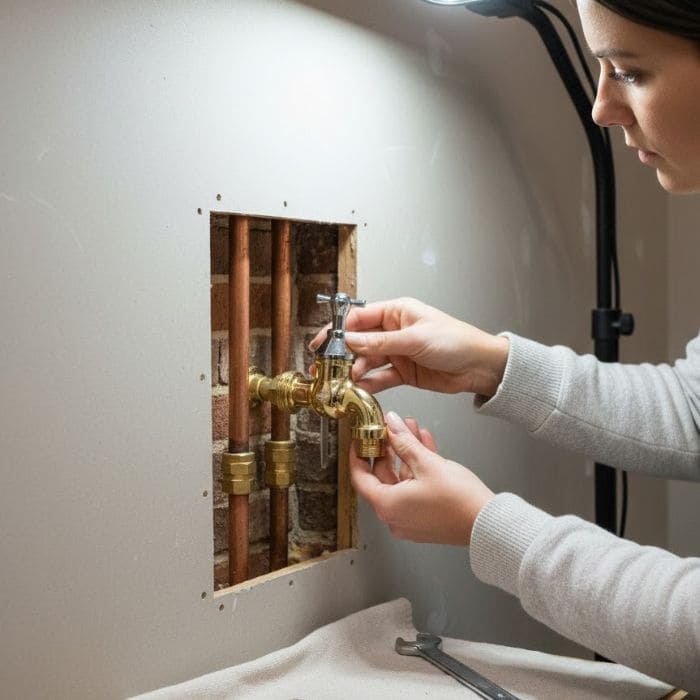
Inside, the placement mattered just as much, because I didn’t want to install a spigot outside and create a cramped mess inside the wall.
I chose a spot where the interior plumbing access felt straightforward, and where I could see what I was doing without turning it into a full open the wall kind of day.
How the Installation Actually Went, in Real-Life Terms
I started by shutting off the water supply and making sure the line was drained enough that I wasn’t going to surprise myself, then I mapped the hole placement carefully because once you drill through an exterior wall, you don’t get to un-drill it.
With brick, I aimed my drilling through mortar lines where possible, because mortar is easier to repair than brick if you need to adjust something, and I wanted the finished result to look clean around the mounting flange.
I checked alignment, then checked it again, because the most annoying version of this project is installing a spigot that looks slightly crooked forever.
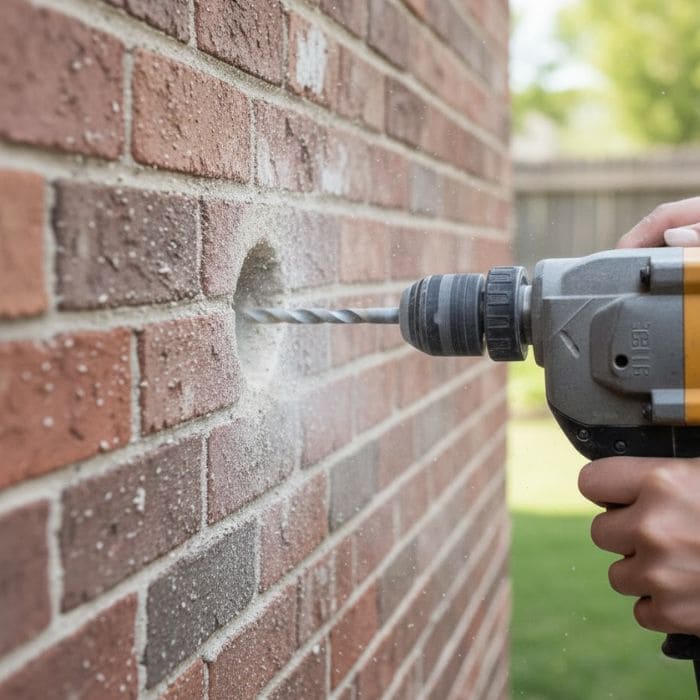
When it came time to mount the faucet, I made sure it had that slight downward pitch outward, which is called out in the Model 17 guidance, because the entire idea of a frost-free faucet is that it drains after shutoff, and it can’t drain properly if you’ve installed it like a level shelf.
Once it was mounted and connected on the inside, I brought the water back on slowly and watched the joints like I was watching a pot boil, because that’s the moment you find out if you rushed anything.
I let it run long enough to feel confident, then shut it off and confirmed the outside was draining the way it should after closing, which is part of what makes frost-free faucets work as intended.
The First Watering With the New Spigot Felt Like Relief
After I tested everything, I took my hose, connected it right at the new spot, and watered my garden without dragging it across the yard or fighting the kinked sections that always show up at the worst moment.
I know this sounds like a small win, but it felt like one of those quiet home upgrades that changes your mood more than it changes your house, because it turns a routine into something easier, and ease is a real kind of comfort.